All Categories
Featured
Table of Contents
Not long earlier, the expression development marketing quickly conjured images of seed-stage companies stuffed into co-working areas, driven by caffeine, code, and the relentless pursuit of product-market fit. It was the domain of creators and early workers using six hats, shipping tests at midnight, and chasing any lever that could keep the business alive for one more quarter.
Today, it's mid-market brands that are welcoming development marketing for scaling. The old marketing playbooks aren't delivering like they used to.
And growth marketing techniques give them exactly what they need: versatility, experimentation, and a strenuous, data-backed operating system for scaling smarter. Development marketing has constantly been misunderstood.
At its core, B2B development marketing is a full-funnel, cross-functional approach to profits production. It does not stop at acquisition or obsess over MQL counts. It covers the whole purchaser and client lifecycle of activation, adoption, expansion, and retention with experimentation constructed into every stage. It lines up sales, marketing, product, and consumer success around shared truths: earnings over vanity metrics, insights over presumptions, and quick iteration over stiff project calendars.
Benefits of Resilient Supply Chains for British Firms
They're seeing what in fact works. They're operationalizing those learnings. And they're developing repeatable movements that scale. It's not development for development's sake, it's development with objective. And that's precisely what mid-market companies need most today. Over the past few years, mid-market business have actually discovered themselves at an inflection point.
That pressure is improving how they consider revenue generation. Spending plan restraints have actually forced groups to inspect every dollar. Rather of "invest more to get more," executives are asking, "How do we invest smarter? How do we maximize what we already have?" Growth marketing is constructed for specifically that question.
Mid-market teams are recognizing that enhancing acquisition alone won't solve the performance gap. In category after category, mid-market brand names are discovering themselves drowned out by enterprise giants with bigger budget plans and startups with louder voices.

Development marketing brings the experimentation mindset that assists groups discover new angles, brand-new stories, brand-new channels, and new ways to separate. Tools that once required enterprise spending plans are now accessible to mid-market teams, with AI reducing the barrier even further.
The facilities is finally in place, making growth both possible and scalable. When mid-market teams embrace development marketing, they quickly discover that it's an operating system, and not a set of tactics.
Optimizing Capital via UK Banking Channels
With that foundation in location, B2B growth marketing groups take complete ownership of the funnel, looking at acquisition, activation, adoption, growth, and retention as one interconnected system rather of separate departmental KPIs. This alone changes how teams believe about income.
And, crucially, everything is documented, learnings compound, wins become playbooks, playbooks end up being procedures, and procedures end up being predictable growth. Growth marketing forces marketing, sales, item, and CS to operate as a single earnings engine.
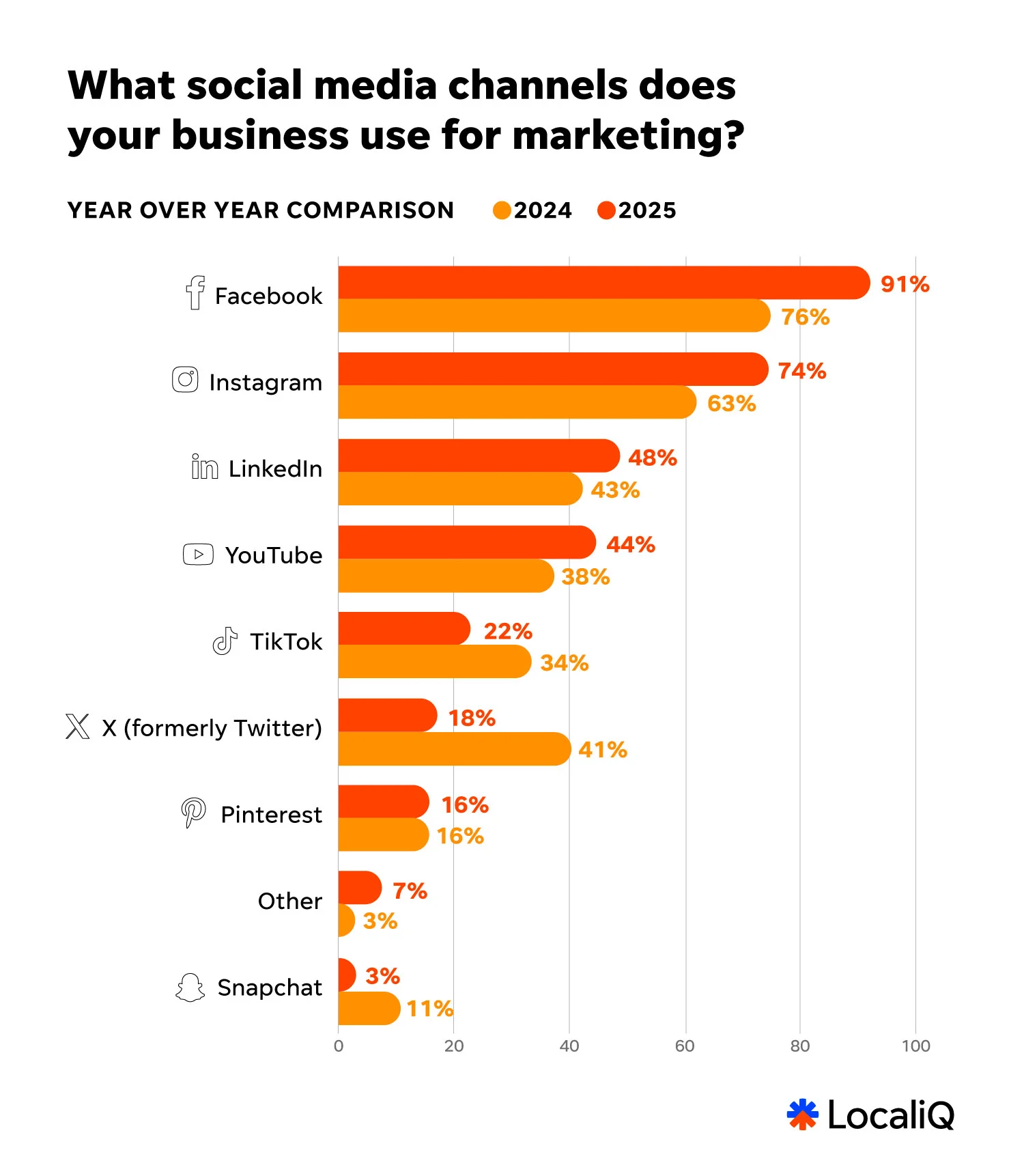
Development sprints combine everyone around shared goals and shared data. Across the companies we support, a clear set of high-impact, scalable growth plays keeps emerging.
The Role of Capital Markets for Global ScalingMid-market groups are tightening up onboarding, enhancing trial conversions, and structure growth sets off that turn clients into long-lasting revenue factors. ABM, once a heavy business motion, is merging with development principles, resulting in lean, signal-based programs that provide personalization without intricacy.

Latest Posts
How AI Systems Reshape Global Industry
Optimizing Workforce Acquisition for the 2026 Business Landscape
Building Resilient Supply Chains for 2026 Mid-Market Enterprises